

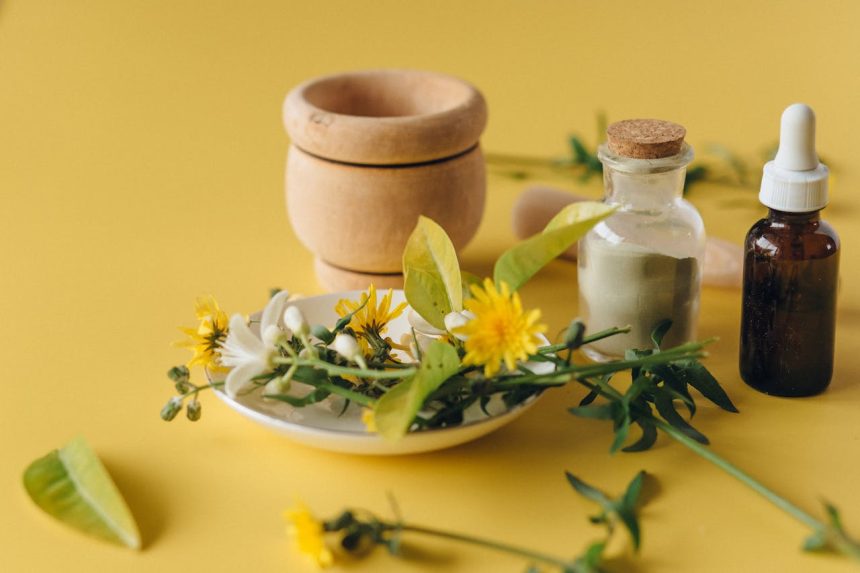
For centuries, herbs have been nature’s pharmacy, offering remedies for ailments and promoting wellness. In today’s modern world, herbal remedies continue to gain popularity as people seek natural alternatives to synthetic drugs. But what makes herbs so effective, and how can you incorporate them into your life? This guide will walk you through the wonders of herbal medicine and how to start using these natural healers.
Understanding Herbal Remedies Plant Power
Herbal remedies involve using plants and their extracts to treat illnesses or improve health. Unlike conventional medicine, which often isolates a single active ingredient, herbal remedies harness the full spectrum of compounds found in plants. These compounds work together, often enhancing the overall effectiveness of the remedy.
Many herbs are rich in antioxidants, anti-inflammatory properties, and essential vitamins and minerals. For example, turmeric is renowned for its anti-inflammatory benefits, while chamomile is celebrated for its calming effects. The key is understanding which herbs suit your needs and how to use them correctly.
Benefits of Herbal Remedies Plants
Herbs offer a range of health benefits:
- Natural Healing: Herbs support the body’s natural healing processes without introducing synthetic chemicals.
- Fewer Side Effects: When used properly, herbs often have fewer side effects than conventional medications.
- Versatility: From teas to tinctures and capsules, herbs can be used in various forms, making them easy to incorporate into daily life.
- Cost-Effective: Many herbal remedies are affordable and can even be grown at home.
Common Herbal Remedies and Their Uses
Let’s explore some popular herbs and their applications:
- Ginger: Known for its anti-nausea and digestive benefits, ginger is a go-to for upset stomachs and motion sickness.
- Peppermint: This herb aids digestion and can alleviate headaches when applied as an oil.
- Echinacea: Often used to boost the immune system, especially during cold and flu season.
- Lavender: Renowned for its relaxing properties, lavender can help reduce stress and improve sleep.
How to Use Herbal Remedies Safely
While herbal remedies are natural, they are not risk-free. Follow these guidelines to use them safely:
- Research the Herb: Understand its benefits, potential side effects, and recommended dosage.
- Consult a Professional: If you have a medical condition or are taking medications, consult a healthcare provider before starting any herbal remedy.
- Start Slowly: When trying a new herb, start with a small dose to ensure you don’t experience adverse reactions.
- Choose Quality Products: Opt for reputable brands that use organic, sustainably sourced herbs.
Growing Your Herbal Garden
One of the best ways to ensure the quality of your herbal remedies is by growing your own herbs. A small herb garden can be cultivated in your backyard, balcony, or even indoors. Start with easy-to-grow plants like basil, mint, and parsley. Not only does this provide a fresh supply of herbs, but it also connects you to nature.
Incorporating Herbs Into Your Daily Routine
Using herbs doesn’t have to be complicated. Here are simple ways to incorporate them into your life:
- Tea Time: Brew herbal teas like chamomile, peppermint, or ginger to enjoy their benefits.
- Cooking with Herbs: Add fresh or dried herbs to your meals for flavor and health benefits.
- Herbal Baths: Infuse bathwater with calming herbs like lavender or rosemary for relaxation.
- Essential Oils: Use essential oils made from herbs for aromatherapy or massage.
Final Thoughts
Herbal remedies are a gift from nature, offering a safe and effective way to enhance your health. However, it’s essential to approach them with respect and knowledge. With the right herbs and proper use, you can embrace a more natural path to wellness. So, why not start today by exploring the incredible world of herbal medicine?