

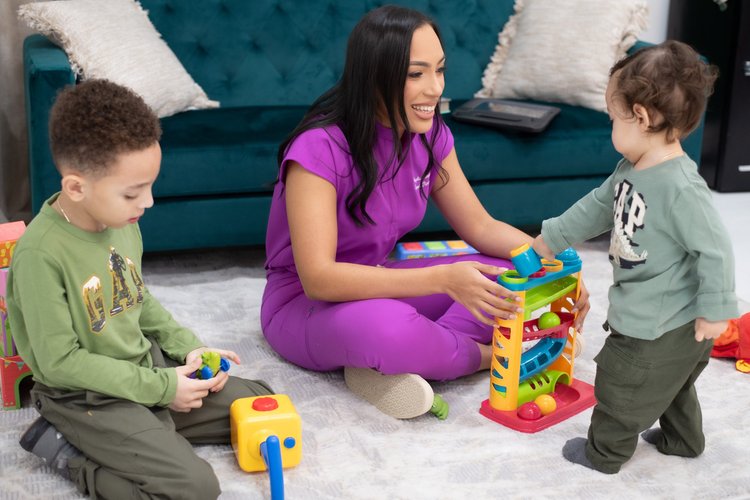
When your child struggles to say certain sounds, it can feel confusing and even worrying. You may notice others asking them to repeat words or see frustration when they cannot express themselves clearly. Articulation Therapy offers structured, compassionate support to help children improve speech clarity and build lasting confidence.
Clear communication shapes friendships, classroom participation, and self-esteem. With early, individualized support, children can strengthen their speech skills in ways that feel natural and encouraging.
Understanding Articulation Therapy in Simple Terms
Articulation therapy focuses on correcting speech sound errors. Some children replace sounds, like saying “tat” instead of “cat.” Others leave off ending sounds or distort certain letters. While mild differences can be part of development, persistent patterns may require professional guidance.
A speech-language pathologist carefully evaluates your child’s speech patterns and designs a plan tailored to their needs. Therapy progresses gradually, starting with understanding how a sound is formed and moving toward using it confidently in conversation. Sessions are interactive, playful, and aligned with the child’s interests.
Parents are active participants in the process. With practical strategies and home practice suggestions, families help reinforce progress beyond therapy sessions.
Common Reasons Children Need Speech Support
Speech challenges can appear in many forms. Some children experience articulation disorders where certain sounds are consistently incorrect. Others may have childhood apraxia of speech, a motor planning disorder that affects coordination of mouth movements.
Language delays can also impact overall communication, including vocabulary growth and sentence structure. Some children are gestalt language processors who naturally learn in scripts or chunks before breaking language into smaller parts.
Recognizing these differences early allows families to seek effective intervention that supports both speech clarity and overall communication growth.
A Neurodiversity-Affirming, Child-Led Approach
Children thrive when therapy respects who they are. A neurodiversity-affirming approach focuses on supporting communication while honoring individual strengths and differences. Instead of rigid drills, therapy becomes collaborative and child-led.
The therapist follows the child’s interests to create meaningful learning opportunities. This builds trust, reduces anxiety, and encourages participation. When children feel understood, progress happens more naturally.
Family-centered care ensures parents are partners, not observers. Caregivers learn how to model clear speech, respond supportively, and create communication-rich routines at home.
Motor Speech and Childhood Apraxia
Motor speech disorders require specialized intervention. Childhood apraxia of speech affects the brain’s ability to plan and sequence speech movements. Children may know what they want to say but struggle to coordinate the sounds.
Therapy focuses on repetitive, structured practice combined with visual and tactile cues. Consistency is key. Research supports frequent, individualized sessions for improving motor planning skills. When families practice targeted exercises at home, outcomes improve significantly.
Supporting Language Development and Literacy
Speech clarity and language development go hand in hand. A child who struggles with speech sounds may also experience difficulty with phonological awareness, reading, or writing later on. Early articulation support can strengthen foundational literacy skills.
Therapists incorporate storytelling, play-based conversation, and structured language modeling to expand vocabulary and sentence formation. This holistic approach ensures children develop not only clear speech but also strong communication skills overall.
Augmentative and Alternative Communication
For some children, spoken language alone may not fully meet their communication needs. Augmentative and Alternative Communication systems, including picture boards or speech-generating devices, provide additional ways to express thoughts and feelings.
Using AAC does not replace speech development. Instead, it supports it by reducing frustration and increasing communication opportunities. With individualized guidance, children can build expressive language skills while continuing to develop verbal abilities.
Addressing Fluency Challenges
Fluency concerns such as stuttering can affect confidence and participation in social settings. Parents often begin their search for a Stuttering Specialist Near Me when they notice repetitions, prolongations, or speech blocks.
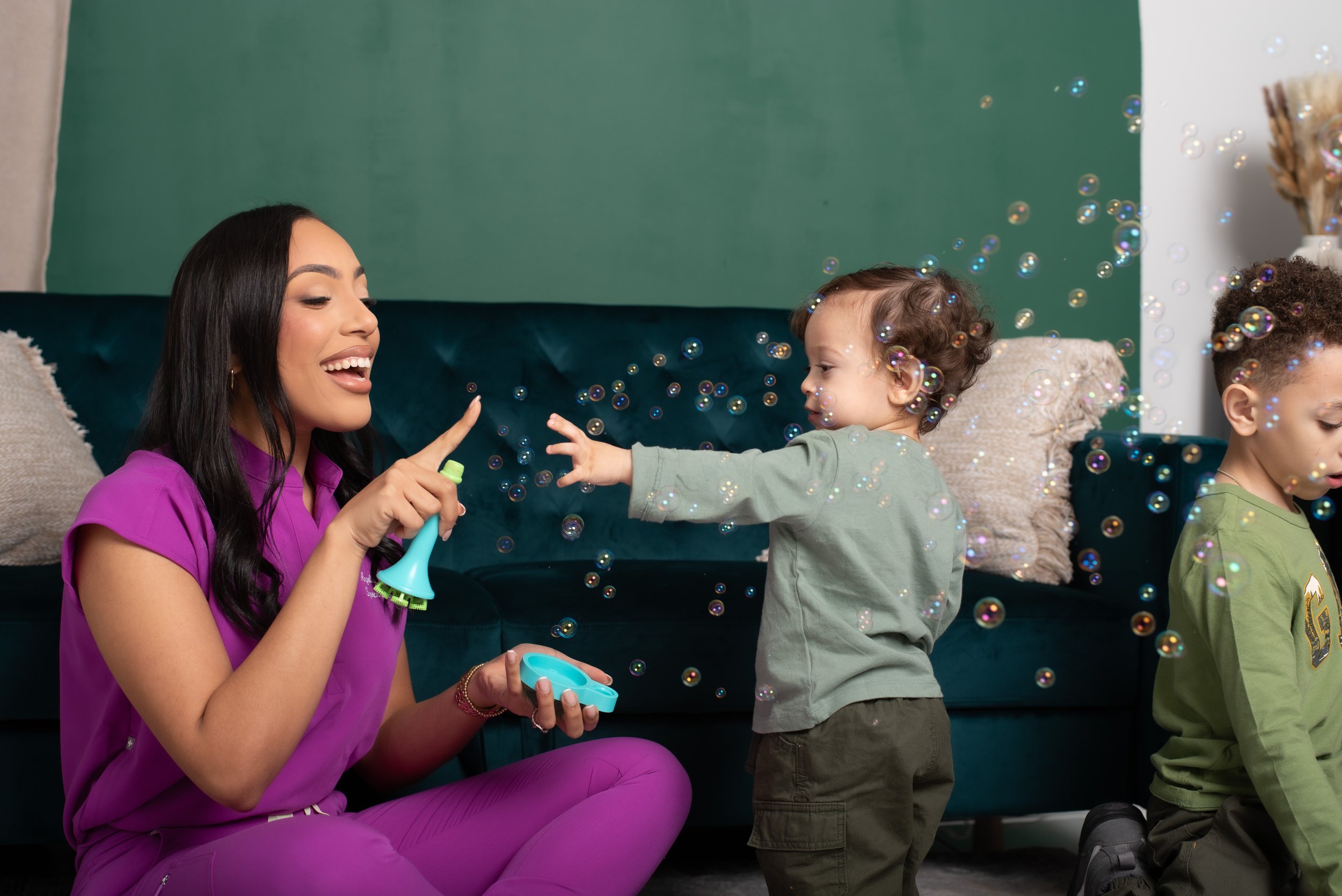
Fluency therapy focuses on communication confidence rather than eliminating every disfluency. Children learn strategies to manage stuttering while developing positive attitudes about their speech. Parent education plays an essential role in creating a calm and supportive communication environment.
The Benefits of In-Home Therapy
In-home speech services provide comfort and convenience. Children often feel more relaxed practicing speech skills in familiar surroundings. Natural environments create real-life communication opportunities that promote generalization of skills.
Parents can observe sessions closely and learn strategies directly from the therapist. This collaborative model strengthens consistency and long-term success.
How Articulation Therapy Builds Confidence
Speech improvement is about more than sound production. As children begin to communicate more clearly, they participate more in school discussions, form friendships with ease, and express emotions confidently.
Therapy celebrates small wins. Each mastered sound, successful sentence, or confident conversation builds momentum. Over time, these gains transform how children see themselves as communicators.
Conclusion
Articulation therapy provides structured, evidence-based support for children facing speech and language challenges. Through individualized plans, family collaboration, and a neurodiversity-affirming approach, children gain clearer speech and stronger communication skills. Early intervention, consistent practice, and compassionate guidance can make a lasting difference. When parents take action and partner with a skilled therapist, they empower their child to find and use their voice confidently.
Frequently Asked Questions
1. How do I know if my child needs articulation therapy?
If your child is difficult to understand for their age, frequently substitutes sounds, or becomes frustrated when speaking, a speech evaluation can provide clarity.
2. Does using AAC stop my child from talking?
No. Research shows AAC often supports speech development by reducing frustration and increasing communication practice.
3. How involved should parents be in therapy?
Parent involvement is crucial. Practicing strategies at home and creating communication-rich routines significantly improves progress and long-term success.