

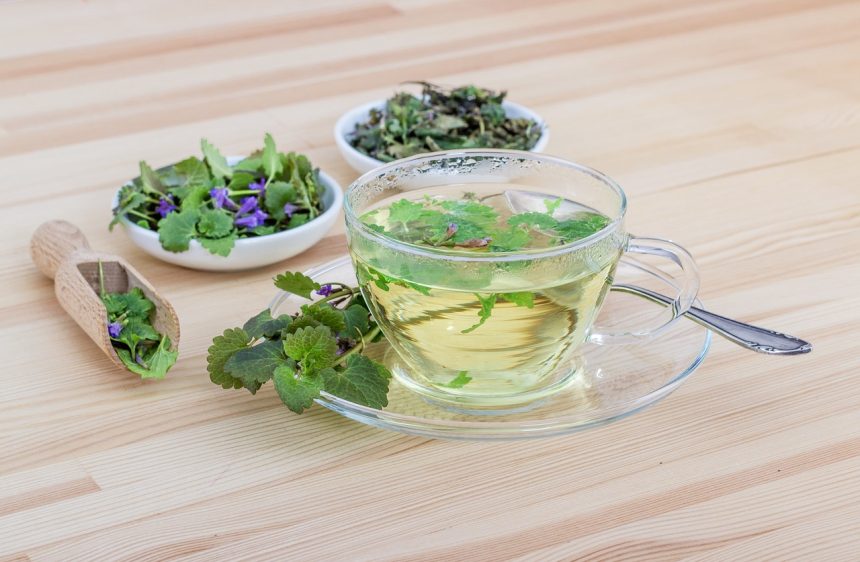
In an era of synthetic medications and quick fixes, the ancient wisdom of herbal healing often gets overlooked. Yet, nature offers a wealth of remedies that are gentle, effective, and free from harsh chemicals. Herbs have been used for centuries to support health, alleviate ailments, and promote overall well-being. By rediscovering the magic of herbal healing, you can take a natural approach to health that aligns with your body’s needs. Let’s explore how to unlock the true power of herbs and incorporate them into your daily life.
The Ancient Wisdom of Herbal Healing
Herbal medicine is one of the oldest forms of healthcare in the world. Cultures across the globe, from Ayurveda in India to Traditional Chinese Medicine, have long relied on herbs to treat a variety of conditions. Unlike conventional medicine, which often targets symptoms, herbal remedies work holistically to address the root causes of health issues. They strengthen the body’s natural defenses and promote balance, making them a sustainable solution for long-term wellness.
Understanding How Herbs Work
Herbs are packed with bioactive compounds like antioxidants, vitamins, minerals, and essential oils. These compounds work synergistically to support the body’s natural functions. For example:
- Turmeric contains curcumin, a powerful anti-inflammatory compound that reduces joint pain and supports digestion.
- Peppermint soothes digestive issues and relieves headaches with its cooling menthol content.
- Echinacea boosts the immune system and helps fight off infections.
By understanding the unique properties of each herb, you can harness their full potential for healing and prevention.
Common Herbs and Their Healing Benefits
Chamomile: The Relaxation Herb
Chamomile is renowned for its calming properties. It reduces anxiety, improves sleep quality, and soothes an upset stomach. A warm cup of chamomile tea before bed is a natural way to unwind and prepare for restful sleep.
Ginger: The Digestive Ally
Ginger is a versatile herb that alleviates nausea, improves digestion, and reduces inflammation. Whether consumed as tea or added to meals, it’s a powerful remedy for bloating and motion sickness.
Garlic: Nature’s Antibiotic
Garlic is a natural antibiotic and antifungal agent. It supports the immune system, lowers blood pressure, and reduces cholesterol. Eating raw garlic or incorporating it into meals can improve heart health and protect against infections.
Lavender: The Stress Reliever
Lavender’s soothing aroma calms the mind and reduces stress. It’s also effective for alleviating headaches and promoting relaxation. Use lavender essential oil in a diffuser or add it to a warm bath for a spa-like experience at home.
How to Incorporate Herbal Healing into Your Life
Embracing herbal healing doesn’t require an overhaul of your routine. Start small by incorporating one or two herbs into your daily life. Drink herbal teas like chamomile or peppermint, use fresh herbs in your cooking, or try essential oils for relaxation and stress relief. Consistency is key to experiencing the long-term benefits of herbal remedies.
Final Thoughts
Herbs are nature’s gift to humanity, offering safe and effective ways to support health and well-being. By exploring the magic of herbal healing, you can take control of your health in a natural and sustainable way. Start by learning about the herbs that resonate with your needs and gradually incorporate them into your routine. Let nature guide you toward a healthier, more balanced life.