

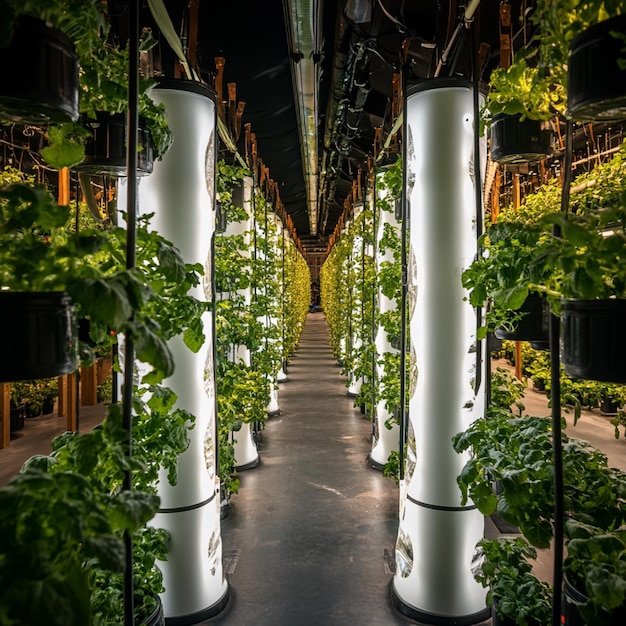
Starting a tower garden can be one of the most rewarding ways to grow fresh, nutritious produce at home while saving space and resources. With the right guidance and tools, anyone can build a thriving vertical garden, whether you’re a beginner or an experienced gardener. This article explores the benefits, setup process, and maintenance tips to help you start your garden towers effortlessly and enjoy year-round sustainable harvests.
What is a Tower Garden?
A tower garden is a vertical growing system designed to maximize yield in minimal space. Instead of spreading plants across the ground, the system stacks them vertically, making it perfect for small backyards, patios, or even indoor spaces. Using water-efficient methods, it provides nutrients directly to the plants’ roots, ensuring faster growth and healthier crops.
Unlike traditional gardening, a tower garden reduces the need for soil, heavy labor, and weeding. It’s also more eco-friendly, using significantly less water and fertilizer.
Why Choose a Tower Garden System?
Vertical gardens offer numerous advantages over conventional gardening. Here are some reasons why more households are making the switch:
- Space-Saving Design: Perfect for urban areas, apartments, or homes with small yards.
- Sustainable Growing: Uses up to 90% less water compared to soil-based gardening.
- Year-Round Harvest: With indoor lighting, you can grow vegetables, herbs, and fruits throughout the year.
- Healthy Living: Enjoy fresh, pesticide-free produce right at your fingertips.
- Low Maintenance: Fewer weeds, less bending, and less effort compared to traditional gardening.
By choosing a tower garden system, you’re not just growing food—you’re adopting a healthier and more sustainable lifestyle.
Steps to Start Your Garden Tower
Beginning your journey doesn’t have to be complicated. Follow these steps to set up your vertical garden:
1. Select the Right Location
Choose a sunny spot with at least 6–8 hours of direct light daily. If outdoors isn’t an option, indoor grow lights work just as well.
2. Assemble the Garden Tower
Most systems, like those from ALTO Garden, come with easy-to-follow instructions. Simply stack the modules, connect the water reservoir, and you’re ready to plant.
3. Choose Your Crops
Opt for crops that thrive in vertical systems such as lettuce, spinach, basil, tomatoes, strawberries, and cucumbers. Fast-growing greens are ideal for beginners.
4. Add Water and Nutrients
The reservoir supplies water mixed with plant nutrients to keep your crops healthy. Refill as needed and monitor the nutrient balance.
5. Start Planting
Insert seedlings or seeds into the designated slots. Ensure proper spacing to avoid overcrowding and allow optimal growth.
Benefits of Hydroponic Tower Systems
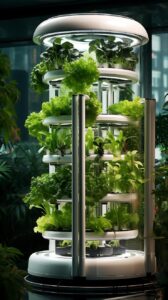
When exploring vertical gardens, you’ll often come across the hydroponic tower concept. Hydroponics eliminates the need for soil, allowing plants to grow in water infused with essential nutrients.
Some key benefits include:
- Faster plant growth due to direct nutrient absorption.
- Cleaner, soil-free produce.
- Reduced pest and disease issues.
- Higher yields in smaller spaces.
These advantages make hydroponic systems ideal for those seeking efficiency and productivity without sacrificing quality.
Comparing a Grow Tower to Traditional Gardening
Many first-time gardeners wonder how a grow tower stacks up against conventional soil gardening. The difference is significant:
- Yield: Grow towers often produce more crops per square foot.
- Labor: Less physical effort is required since there’s minimal digging and weeding.
- Water Efficiency: Towers recycle water, reducing overall consumption.
- Pest Control: Elevated systems minimize ground-based pests.
Traditional gardening may have its charm, but for urban dwellers or busy individuals, a grow tower offers unmatched convenience and results.
Tips for Successful Tower Gardening
To maximize your harvest, keep these tips in mind:
- Monitor pH levels regularly to maintain nutrient balance.
- Prune plants to encourage healthy growth and airflow.
- Clean the system periodically to prevent algae buildup.
- Rotate crops to diversify your harvest and keep plants healthy.
- Consider adding companion plants like basil near tomatoes to boost growth.
Conclusion
Starting a tower garden is a smart step toward sustainable, space-efficient, and healthy living. With minimal effort, you can enjoy fresh fruits, vegetables, and herbs right at home. Whether you choose a soil-based or hydroponic tower system, the benefits far outweigh traditional gardening methods. From saving space to producing cleaner, faster-growing crops, a garden tower can transform the way you grow food.
By investing in a reliable system like ALTO Garden’s solutions, you ensure your gardening journey begins smoothly and successfully. Take the leap and create your own green space—it’s easier and more rewarding than you think.
FAQs
- What can I grow in a tower garden?
You can grow leafy greens, herbs, strawberries, cucumbers, tomatoes, and even some root vegetables with the right setup. - How often do I need to add water and nutrients?
On average, you’ll need to refill the reservoir every 1–2 weeks, depending on weather, crop type, and system size. - Can I keep a tower garden indoors?
Yes, with the help of LED grow lights, you can enjoy indoor gardening all year long, making it perfect for apartments or homes with limited outdoor space.